The Defend Trade Secrets Act at 10
March 13, 2026
Hulston Hall, University of Missouri
The Missouri Law Review’s 2026 Symposium — The Defend Trade Secrets Act at 10 — brings together leading scholars, practitioners and policymakers to reflect on a decade of one of the most consequential developments in U.S. intellectual property law. Co-sponsored by Rutgers Law School, this full-day symposium will explore how the DTSA has affected trade secret litigation and policy, highlighting both the successes it has achieved and the challenges it has created.
Distinguished scholars will present new research on the DTSA’s impact, with expert commentators offering insight and critique. A keynote address by the lead author of the Federal Judicial Center’s Trade Secret Case Management Guide will provide a unique perspective from the bench, and a special panel featuring key players in the DTSA’s legislative process will offer a rare, behind-the-scenes look at how the DTSA came to be—the policy debates, compromises, and unexpected turns along the way.
5.8 hours of MO CLE credit is available for attendance.
8:00 a.m: Breakfast
Breakfast buffet for all symposium registrants.
9:00 a.m: Welcome
Welcoming remarks and overview of the symposium by the co-organizers, Professors Ryan Vacca and Camilla Hrdy.
9:05 a.m: Dean’s Welcome
Welcoming remarks by University Missouri School of Law Dean Paul Litton.
9:15 a.m: Paper Session #1
Three authors will present their papers, which question the power of the DTSA through the lens of reverse engineering restrictions, examine the circuit split over pleading standards for trade secret litigation, and analyze how the readily-ascertainable bar to trade secrecy should be interpreted under the DTSA. Each paper will then receive feedback by a commentator before questions from the audience. Shubha Ghosh with Jasmine Abdel-khalik as commentator; Jonas Anderson with Dennis Crouch as commentator; and Camilla Hrdy with Gary Myers as commentator.
11:00 a.m: Break
11:15 a.m: Panel Discussion — Legislative Process
Panelist who played a role in the legislative process — testifying in favor or against the legislation or playing a behind-the-scenes role in its passage — will discuss how the DTSA was passed, hurdles overcome, unexpected surprises, competing policy considerations, compromises made, and the positive or negative effects thereof. Panelists: Ted Schroeder, Sharon Sandeen, and Camilla Hrdy; Moderator: Elizabeth Rowe.
12:15 p.m: Lunch
Lunch provided to all symposium registrants and participants.
1:15 p.m: Keynote Address
In his keynote address, Professor Peter S. Menell will discuss the importance of federalizing trade secret protection for the U.S. economy and intellectual property system, the DTSA’s sensible and balanced approach, and its impact on case management. He will also explore the opposition of many intellectual property professors to the DTSA’s enactment.
2:15 p.m: Break
2:30 p.m: Paper Session #2
Two symposium authors will present their papers, which examine, critique, and recommends reforms of the independent economic value requirement and assess the effectiveness of the DTSA’s whistleblower protections. Each paper will then receive feedback by a commentator before questions from the audience. Greg Dickinson with Renee Henson as commentator; Deepa Varadarajan with James Hicks as commentator.
3:35 p.m: Closing Remarks
Co-organizers, Professors Ryan Vacca and Camilla Hrdy, briefly reflect on the symposium presentations.
3:45 p.m: Conclusion
Program adjourns.
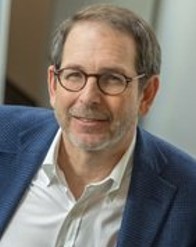
Peter S. Menell, Koret Professor of Law; Co-Director, Berkeley Center for Law and Technology
Peter S. Menell is co-founder and Faculty Director of the Berkeley Judicial Institute. He earned his S.B. at MIT, Ph.D. in economics at Stanford University, and J.D. from Harvard Law School. Professor Menell has authored more than 100 articles and 15 books, including leading casebooks, intellectual property treatises, and research handbooks. Since 1998, Professor Menell has organized more than 60 intellectual property education programs for the Federal Judicial Center (FJC). Professor Menell’s article provided the basis for the Defend Trade Secrett Act’s whistleblower immunity provision. He is the lead author of the FJC’s Trade Secret Case Management Judicial Guide (2023).
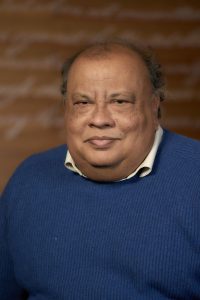
Shubha Ghosh, Crandall Melvin Professor of Law Director, Syracuse Intellectual Property Law Institute & Tech Commercialization Law Program
Shubha Ghosh teaches at Syracuse University College of Law where he directs the Technology Commercialization Law Program and the Syracuse Intellectual Property Law Institute. He writes in the areas of intellectual property exhaustion, the relationships among property, contract, and competition law, and on emerging issues in Artificial Intelligence especially on how emerging technologies amplify ongoing debates over software, information access, and social control.
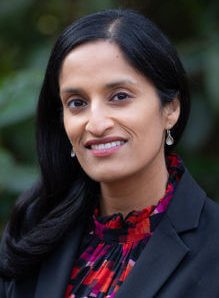
Deepa Varadarajan, Associate Professor of Law, Georgia State University College of Law
Deepa Varadarajan is an associate professor of law at Georgia State University College of Law. Her research focuses on intellectual property law and innovation, and her recent work explores the intersection of trade secrecy, freedom of information laws and employee whistleblower protections. Her work has appeared in the University of Pennsylvania Law Review, Cornell Law Review, UCLA Law Review, Notre Dame Law Review, and Yale Law Journal, among others. Her work has been selected for presentation at leading venues, including the Yale/Stanford/Harvard Junior Faculty Forum and the plenary session of the Intellectual Property Scholars Conference. She received her J.D. from Yale Law School and clerked for the Honorable M. Margaret McKeown of the Ninth Circuit Court of Appeals. Prior to joining Georgia State University, Varadarajan was an assistant professor at St. John’s University School of Law and a Thomas C. Grey Law Fellow at Stanford Law School.
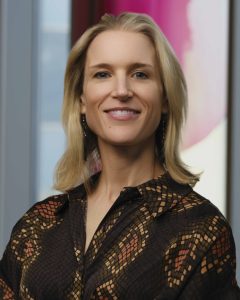
Camilla Hrdy, Associate Professor of Law, Rutgers Law School
Professor Camilla Hrdy is an Associate Professor of Law at Rutgers Law School. Professor Hrdy’s primary teaching areas are Intellectual Property Law, Trade Secret Law, Trademark Law, Patent Law, Contract Law, and Civil Procedure. Her articles have appeared in over twenty law reviews, including Yale Law Journal and Stanford Law Review. Professor Hrdy was previously Professor of Intellectual Property Law at University of Akron School of Law, where she taught for eight years. Professor Hrdy holds a B.A. from Harvard University, an M.Phil. in History & Philosophy of Science and Medicine from the University of Cambridge, and a J.D. from Berkeley Law. She clerked for U.S. District Judge Janis Graham Jack in the Southern District of Texas.
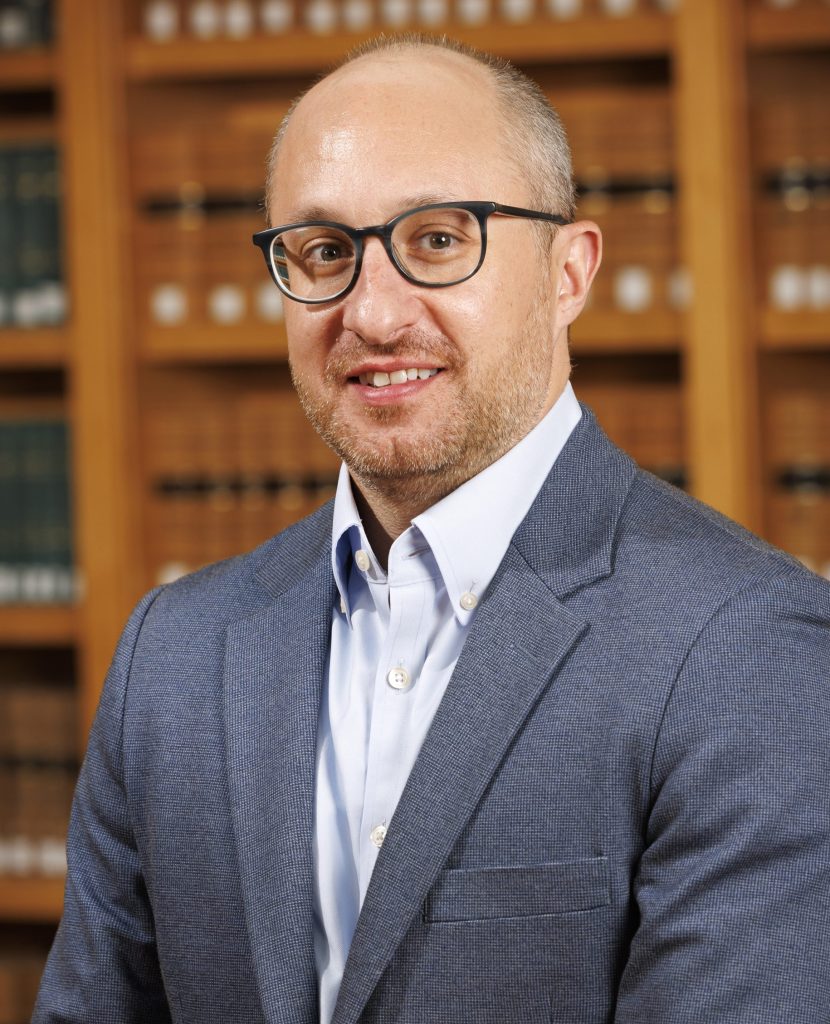
Gregory Dickinson, Assistant Professor of Law, University of Nebraska College of Law
Gregory M. Dickinson is an Assistant Professor of Law and, by courtesy, Computer Science at the University of Nebraska, where he teaches Unfair Competition, The Common Law, Contracts, and Remedies. He is also a Nonresident Fellow with the Stanford Law School Program in Law, Science and Technology and the Murry and Polly Bowden Fellows Program at the University of Texas School of Law. He holds a JD from Harvard Law School. Professor Dickinson’s research focuses on the interaction between private law and technology.

Jonas Anderson, Professor of Law, University of Utah S.J. Quinney College of Law
Jonas Anderson teaches and writes about patent law, intellectual property, trade secrets, and civil procedure at the University of Utah. His academic articles have been cited by a variety of sources, including the United States Supreme Court, the United States Court of Appeals for the Federal Circuit, and the New York Times. Prior to entering academia, Professor Anderson clerked for Judge Alan D. Lourie of the U.S. Court of Appeals for the Federal Circuit. Before that, he also practiced patent litigation and intellectual property licensing at Latham & Watkins in Silicon Valley, California. Professor Anderson spent the 2014-2015 school year as a Thomas Alva Edison Visiting Scholar at the United States Patent & Trademark Office. Professor Anderson is a graduate of the University of Utah (B.S., Physics; minor in Creative Writing) and Harvard Law School (J.D.).
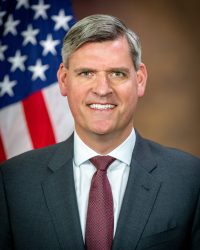
Ted Schroeder, Senior Counselor, United States Department of Justice
Ted Schroeder is Deputy Assistant Attorney General at the U.S. Department of Justice, where he serves as the senior career official in the Office of Legislative Affairs. In that role, he has managed the Department’s congressional strategy with respect to the Criminal Division, the Civil Division, the Office of Legal Counsel, the Office of Legal Policy, and the 93 US Attorneys Offices, among other components. Before joining the Department of Justice, he was a partner in the firm of Alston & Bird LLP, where he led the legislative & public policy practice. He previously served as Chief Counsel to U.S. Senators Christopher Coons and Edward Kaufman; in his time with Senator Coons he led staff efforts over the drafting and passage of the DTSA. He received his undergraduate degree from Princeton University and his law degree from the University of Virginia.
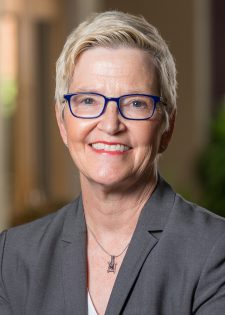
Sharon K. Sandeen, Robins Kaplan Distinguished Professor in IP Law, Mitchell Hamline School of Law
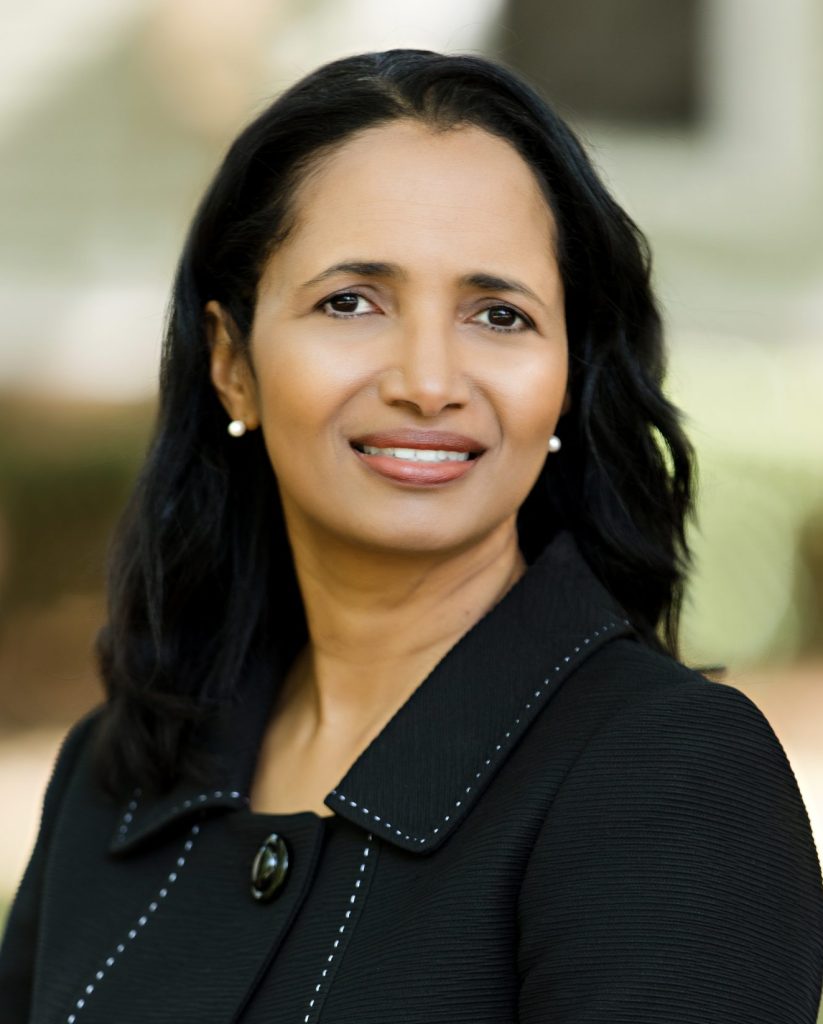
Elizabeth A. Rowe, Henry L. and Grace Doherty Charitable Foundation Professor of Law; Director, Center on Intellectual Property Law; Director, LawTech Center, University of Virginia School of Law
Professor Elizabeth Rowe is the Henry L. and Grace Doherty Charitable Foundation Professor of Law at the University of Virginia School of Law. A nationally recognized expert on Trade Secrets, Professor Rowe has published over 50 books and law review articles. Among those, she has co-authored or contributed to over a dozen books including (with Sharon Sandeen) the first and leading casebook on Trade Secret Law, a Nutshell treatise on trade secrets (both in 3rd edition), a book on trade secrecy in international transactions, an e-book primer on trade secrets, and an annual IP Statutory Supplement. She has also co-authored a Trade Secret Case Management Judicial Guide for the federal judiciary. Professor Rowe currently serves as Reporter to the Uniform Law Commission’s Drafting Committee on Trade Secrets, considering revisions to the Uniform Trade Secrets Act.
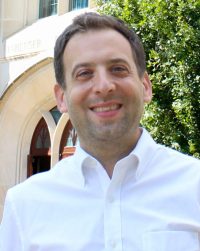
James Hicks, Associate Professor of Law, Washington University School of Law
James Hicks is Associate Professor of Law and Associate Professor of Finance (by courtesy) at Washington University. He specializes in empirical studies of law and legal institutions, with a particular focus on intellectual property and innovation. His work has explored the relationship between patent duration and market value, the effect of patent protection on venture financing of software startups, and the strength of copyright incentives in the music industry.
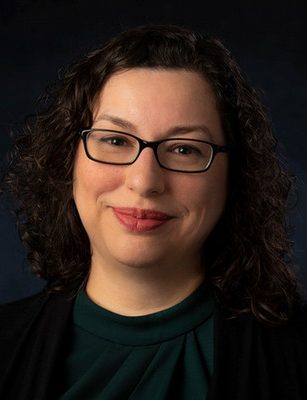
Jasmine Abdel-khalik, Professor of Law, University of Missouri–Kansas City School of Law
Jasmine Abdel-khalik is a Professor at the University of Missouri-Kansas City School of Law, where her research and teaching interests include trademark, business torts, copyright, and contracts. Most recently, she has examined how intellectual property doctrine may reentrech existing stereotypes and biases as well as the intersect of intellectual property laws and protection of speech. Professor Abdel-khalik has been honored to receive several teaching awards at UMKC as well as recognition twice for her research with the Daniel E. Brenner Faculty Publishing Award. Prior to joining the faculty, Professor Abdel-khalik was a practicing attorney in Chicago, Illinois, initially with Baker & McKenzie and then with Freeborn & Peters. Raised in Florida, Professor Abdel-khalik earned her B.A. from Cornell University in 1997 and her J.D. from the University of Michigan in 2000.
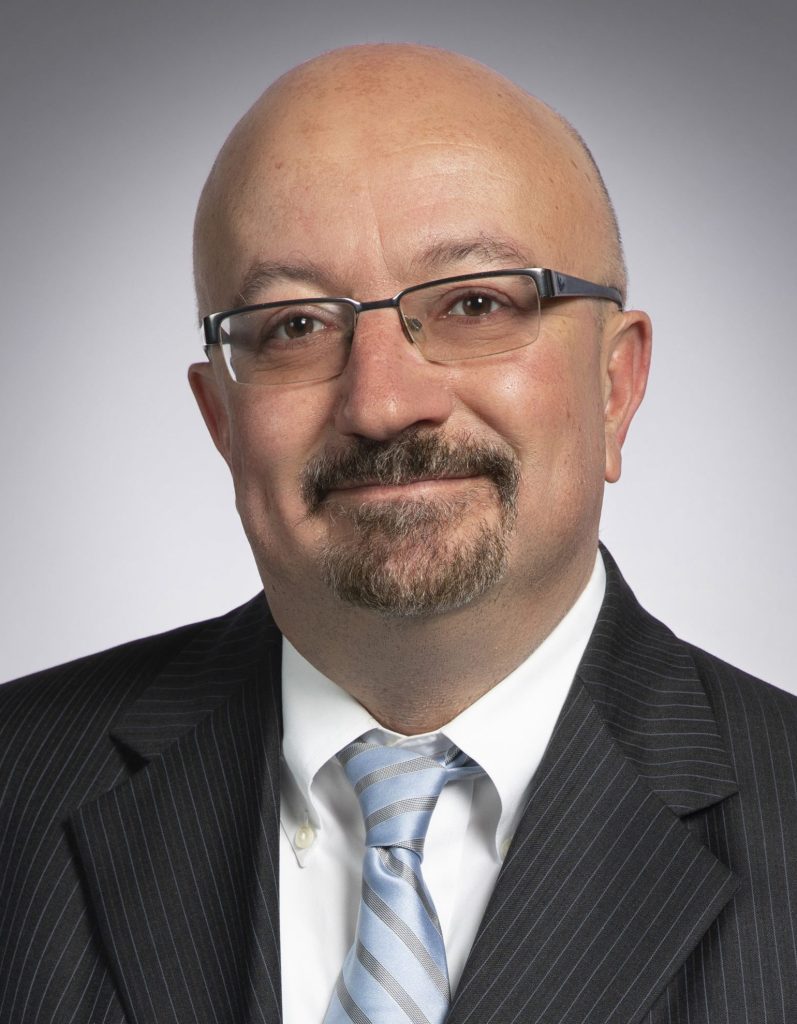
Gary Myers, Earl F Nelson Professor of Law, University of Missouri School of Law
Gary Myers is the Earl F. Nelson Professor of Law at the University of Missouri. He previously served a term as dean of the School of Law. Myers received his JD and an MA from Duke University and a bachelor’s degree in economics from New York University. He served as a law clerk for the U.S. Court of Appeals for the Eleventh Circuit in Jacksonville, Florida. He then practiced complex commercial litigation with an Atlanta law firm (now known as Bryan Cave Leighton Paisner). Myers has served as a professor at five different law schools since going into teaching in 1989 and is an elected member of the American Law Institute. He is the author or coauthor of a series of three casebooks, two treatises, and an audio book related to IP law, as well as numerous articles.
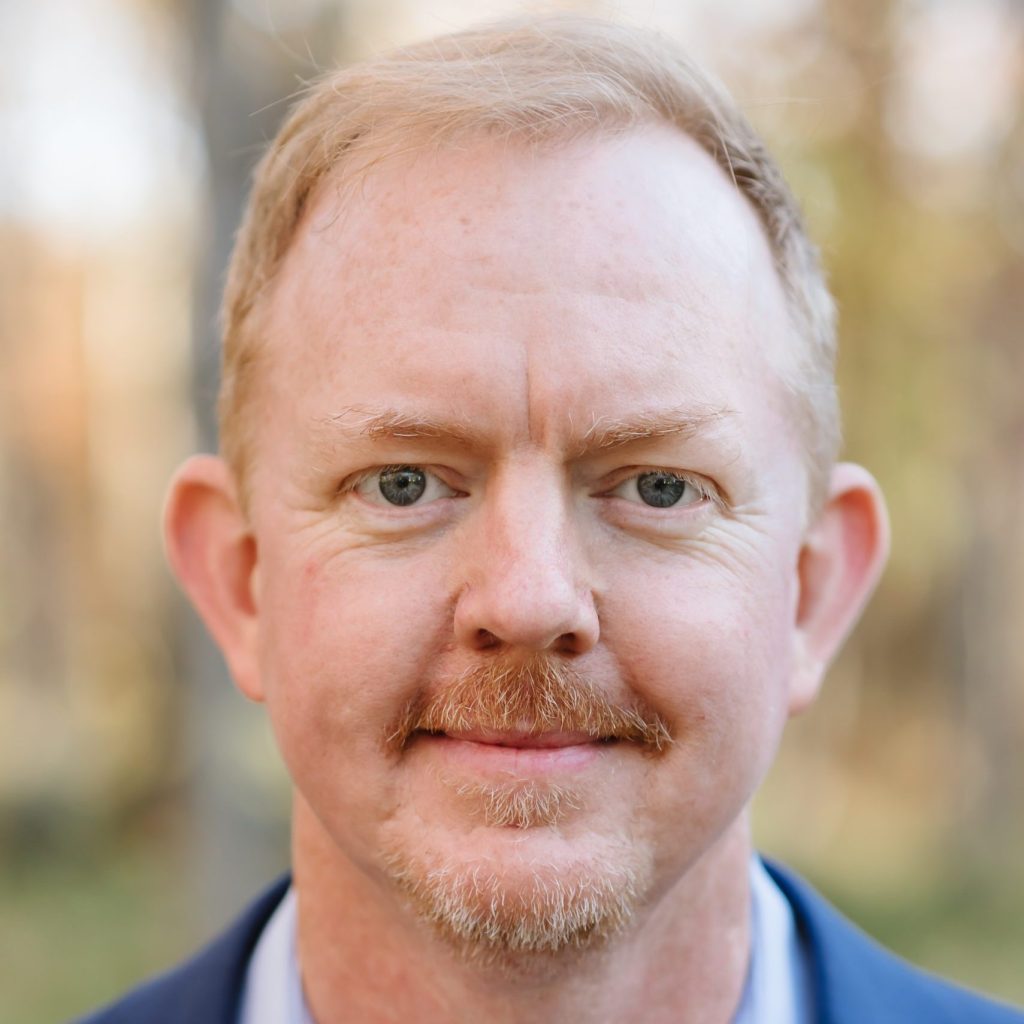
Dennis Crouch, Judge C.A. Leedy Professor of Law, University of Missouri School of Law
Dennis Crouch is the Judge Leedy Professor of Law and Director of the Center for Intellectual Property and Entrepreneurship at the University of Missouri School of Law. He is the founder of Patently-O, the nation’s leading patent law blog, where he has published thousands of articles over two decades. His scholarship addresses patent law, innovation policy, and artificial intelligence. Before entering academia, he practiced IP law in Chicago and taught at Boston University. Professor Crouch holds a BSE in mechanical and aerospace engineering from Princeton and a JD from the University of Chicago Law School. He previously worked as a research fellow at NASA and served as a Peace Corps Volunteer in Ghana.
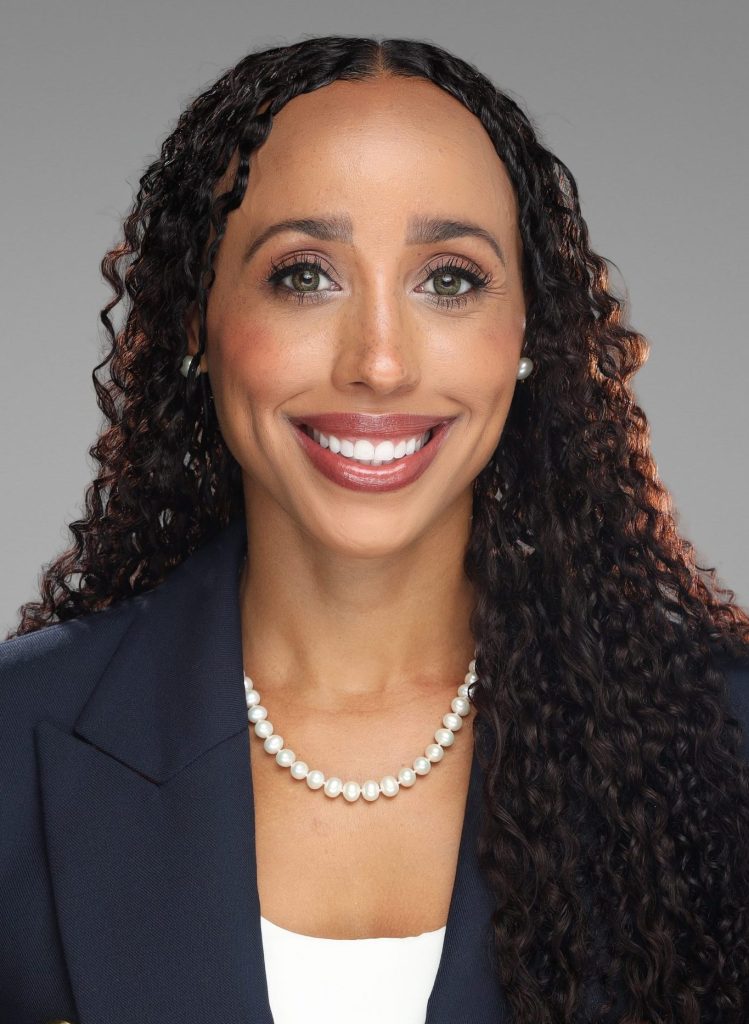
Renee Henson, Associate Professor of Law, University of Missouri School of Law
Professor Renee Henson is an Associate Professor of Law at the University of Missouri School of Law, where her scholarship focuses on artificial intelligence, tort law, and insurance. Her work examines how liability and insurance systems can respond to the novel and unpredictable risks posed by AI while balancing innovation, accountability, and compensation for harm. Her forthcoming article, Artificial Intelligence, Judicial Evolution, and Insurance, will be published in the Boston University Law Review in 2026. Her scholarship has also been published in the Temple Law Review and the Georgia State University Law Review. She regularly presents to academic, judicial, and practitioner audiences nationwide.
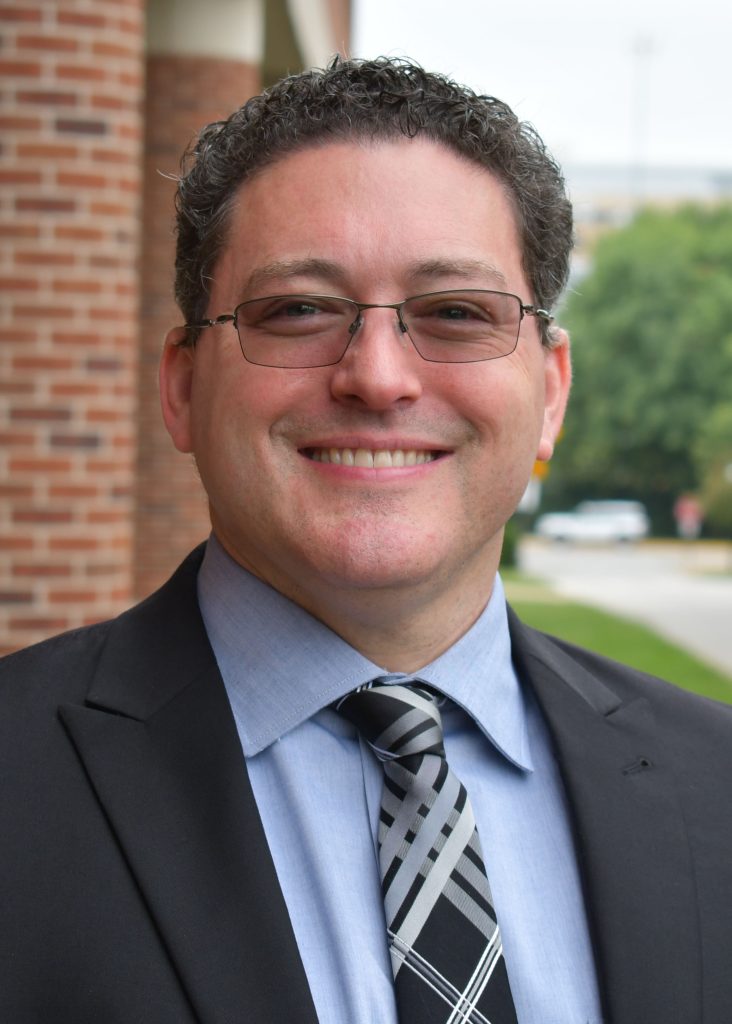
Ryan Vacca, Associate Dean for Academic Affairs and the John D. Lawson Professor of Law, University of Missouri School of Law
Ryan Vacca is the Associate Dean for Academic Affairs and the John D. Lawson Professor of Law at Mizzou Law, where he teaches Trade Secrets, Copyrights, Contracts, and Evidence. Prior to joining Mizzou Law, he was a professor at the University of New Hampshire School of Law and at the University of Akron School of Law, where he served as the David L. Brennan Professor of Law and Director of the Center for Intellectual Property Law & Technology. Professor Vacca’s research focuses on intellectual property law and judicial administration. His articles have appeared in the California Law Review, Harvard Journal of Law & Technology, Alabama Law Review, Illinois Law Review, and many other journals. He is the author of the trade secret chapter of Callmann on Unfair Competition, Trademarks, and Monopolies.